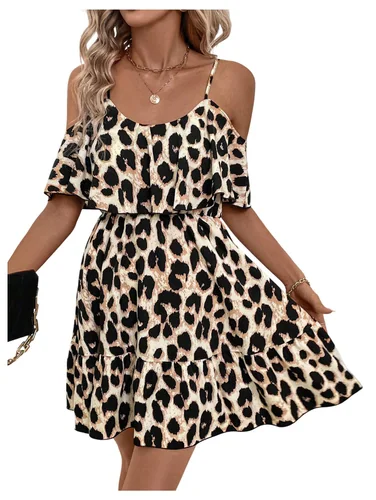
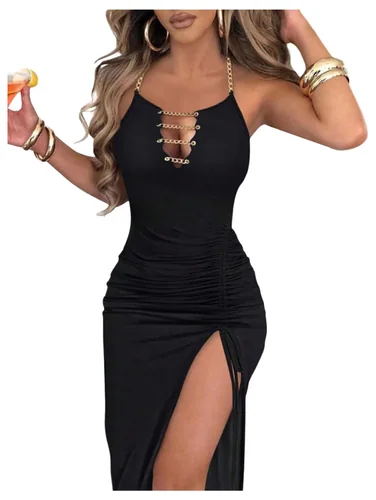
Colour and pattern are the reason most people click a photograph, and they are the part a label handles loosest. A fibre percentage can be exact while the thing you are actually looking at sits outside it.
This page explains that gap, and then shows how the colour and print groupings in the left rail of this site are put together.
A pattern is a fibre question
The rule has a word for the yarns that make a design, and it is broader than most people expect. It covers a woven stripe as readily as an embroidered flower.
The term ornamentation means any fibers or yarns imparting a visibly discernible pattern or design to a yarn or fabric.
So the metallic thread running through a jacquard is ornamentation. So is the contrast yarn in a stripe, and so is the thread of an embroidered motif.
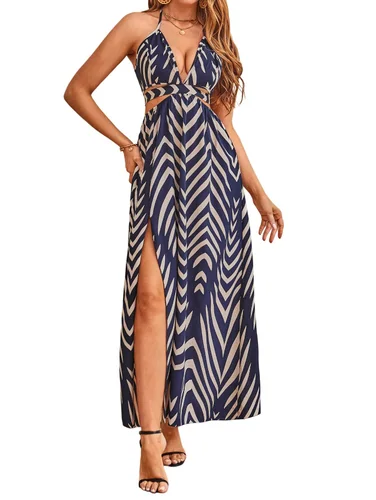
Dresses where the pattern is woven, not printed
All 28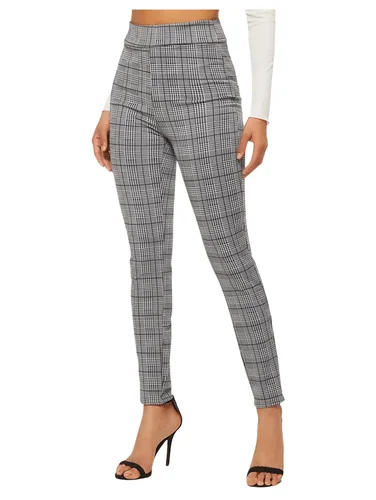
SweatyRocks Dress Pants Stretchy High Waisted Skinny Work
$19.99M L XL XXL
4.2 out of 5 from 1,700 ratings

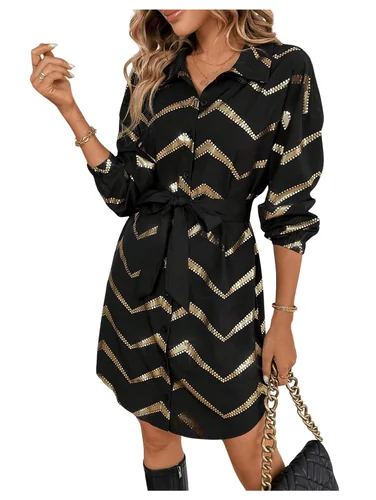
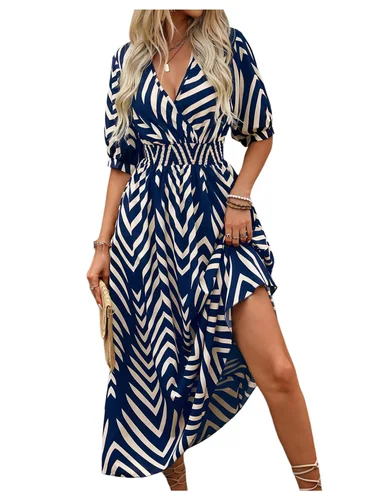
Under five percent, the pattern leaves the list
Ornamentation gets its own allowance. Where the decorative yarns weigh less than five percent of the piece, the percentages may be quoted without them.
Where the textile fiber product contains fiber ornamentation not exceeding five per centum of the total fiber weight of the product and the stated percentages of the fiber content are exclusive of such ornamentation, the label or any invoice used in lieu thereof shall contain a phrase or statement showing such fact
The label has to admit it, which is where the phrase exclusive of ornamentation comes from. Read it as a footnote saying the decoration is made of something else and nobody has told you what.
Above five percent the allowance stops and the ornamentation joins the percentages like any other fibre. That threshold is why a heavily sequinned piece names its plastic and a lightly embroidered one does not.
Trim gets a wider exemption still
Trim gets a broader allowance than ornamentation does. The act exempts it outright, and then pulls part of it back.
trimmings incorporated in articles of wearing apparel and other household textile articles are exempt from the Act and regulations, except for decorative trim, decorative patterns and designs, and elastic materials in findings exceeding the surface area thresholds
In everyday terms: the binding on a neckline, the elastic at a waist and the lace edge on a cuff may be outside the numbers on the label. The body of the garment is what the percentages describe.
This is worth knowing before you buy a piece for its trim. If the lace edge is the reason you want it, the label may say nothing about that lace at all.
Pieces where the trim is the point
All 29
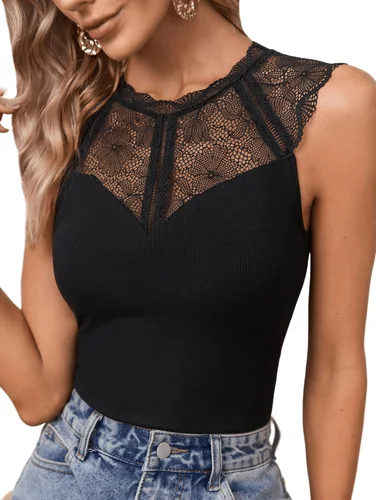
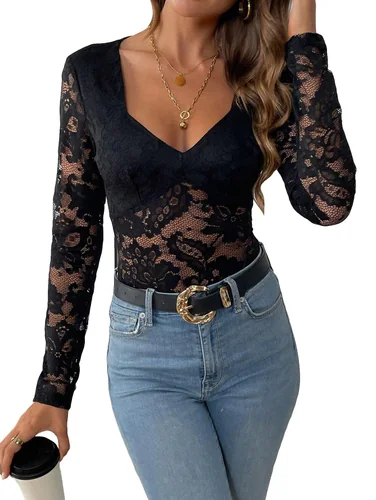
SweatyRocks Lace Corset Bodysuit Country Concert Tank Top
$25.99XS S M
4.2 out of 5 from 243 ratings
How this site groups colour
Makers name colours for atmosphere. Dusty rose, mocha, ecru and blush are four names for shades a shopper would sort into two piles. We keep the maker's name on the product page and group the range into 11 plain families for browsing.
| Colour family | Lines |
|---|---|
| Black | 210 |
| White | 67 |
| Brown | 60 |
| Blue | 51 |
| Green | 44 |
| Pink | 39 |
| Grey | 35 |
| Orange | 31 |
| Red | 29 |
| Yellow | 10 |
| Purple | 7 |
Black carries the range, and that is not a styling choice on our part. It is what the maker produces. 341 lines exist in a single colour family, and 87 come in two or more, so most of the time the colour you see is the only colour there is.
The grouping has an honest limit. A family is a bucket, not a swatch, and two pieces filed under brown can be a full shade apart. The photograph on the product page is closer to the truth than our label for it.
How this site groups print
Prints are grouped the same way and for the same reason. 234 of 458 live lines carry a print, and 224 are plain.
| Print family | Lines |
|---|---|
| Lace | 72 |
| Graphic | 49 |
| Floral | 29 |
| Striped | 28 |
| Leopard | 16 |
| Plaid | 15 |
| Polka dot | 15 |
| Colorblock | 10 |
Lace tops that table, which says something about this range. Lace is counted here as a print family because it is what a shopper is choosing when they choose it, even though it is a structure rather than a pattern laid on top.
Bottoms in plain colours, for pairing with a print
All 47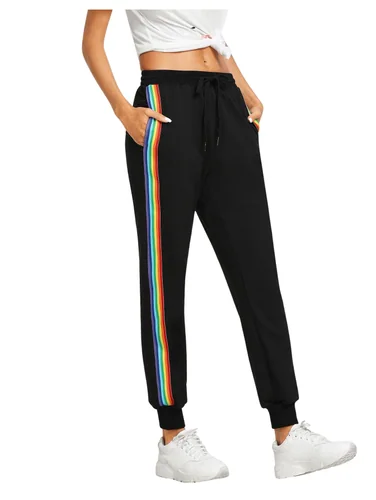
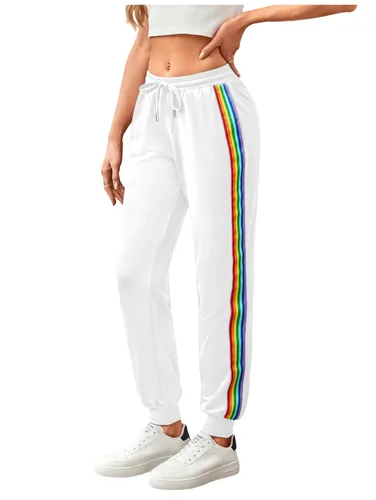
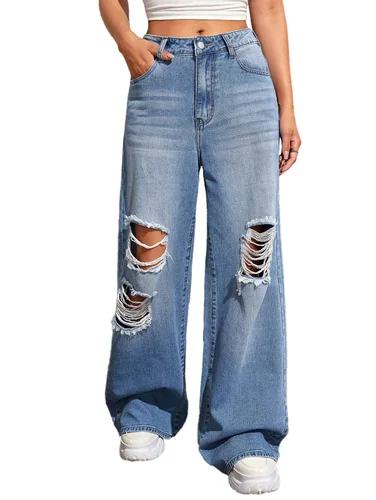
SweatyRocks Casual Ripped Denim Pants Distressed Wide Leg
$31.68S L XL XXL
4.0 out of 5 from 2,020 ratings
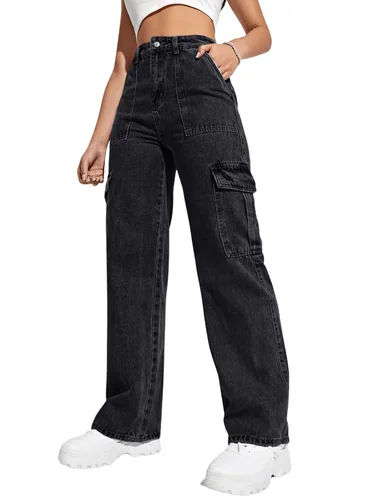
What a colour name cannot do
No colour name survives the trip to your screen intact. Two phones show the same photograph differently, and a studio light is not your bedroom light.
Three things reduce the surprise. Look at the piece against a neutral background rather than a styled one. Compare it with a garment you already own in the same family. Treat a dark neutral as the safest first order, because black and white photograph closest to how they look.
And the limit worth saying plainly: we cannot promise a shade. We can tell you what the maker called it, which family it falls in, and how many other lines share that family.