Most people read a care tag once, on the day the parcel arrives, and then wash by habit. The tag is worth a second minute, because it is not a suggestion from the maker. It is a disclosure with a legal shape, and the shape tells you where the maker was confident and where the maker stayed quiet.
This guide is about that shape. It will not tell you how to wash a particular top, because only the tag in your hands can do that. It will tell you how to read the tag you have.
The tag has to survive the garment
The federal Care Labeling Rule does not define a care label as a piece of paper in the parcel. It defines it as something sewn in and readable for as long as you own the piece.
Care label means a permanent label or tag, containing regular care information and instructions, that is attached or affixed in such a manner that it will not become separated from the product and will remain legible during the useful life of the product.
Two practical things follow. A tag that has faded to grey after four washes is not doing its job, and a photograph of it on your phone costs nothing on the day the parcel arrives.
The other thing that follows is smaller and more useful. If you cut the tag out because it itched, you have thrown away the only record of what the fabric can take. Cut it and keep it in the drawer with the socks.
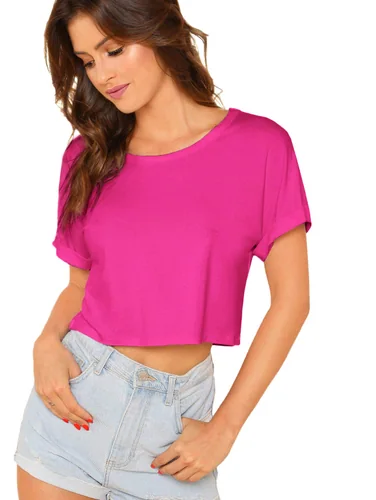
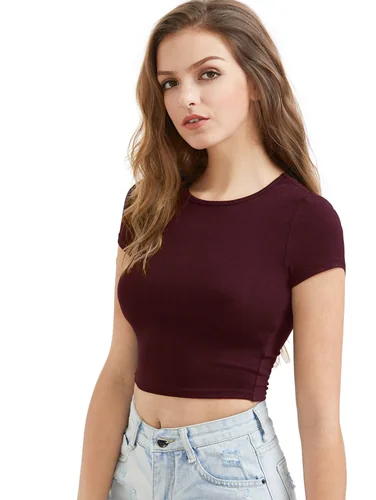
Tops with the most colours to choose from
All 103

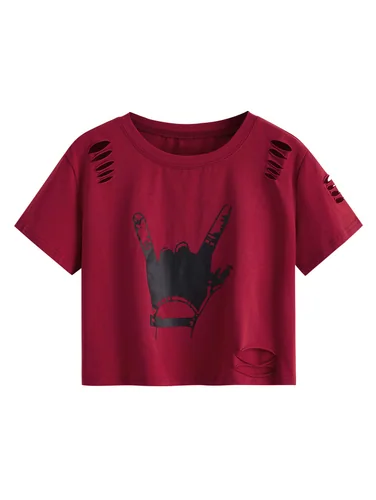
SweatyRocks Short Sleeve Graphic Tee Shirt Summer Distressed
$14.99M
4.2 out of 5 from 8,218 ratings
One full method, not a menu
A tag has to give you a complete way to clean the piece. It cannot hand you half a washing method and leave you to work out the rest.
Care labels must state what regular care is needed for the ordinary use of the product.
The rule then splits that into parts. The label has to say hand or machine, and it has to give a water temperature. It has to say how the piece dries. Where a piece cannot be cleaned at all, the label has to say that too.
So a tag reading nothing but a fibre percentage is not a care tag. If that is all you have, treat the piece as delicate until you learn otherwise, and wash it alone the first time.
Silence is an instruction, and it is a loud one
This is the part almost nobody knows. When a tag gives a washing method and no temperature, the rule reads that gap as permission for the hottest ordinary setting.
When no temperature is given, e.g., “warm” or “cold,” hot water up to 145 degrees F (63 degrees C) can be regularly used.
Hand washing works the same way, with the ceiling five degrees higher. Tumble drying works the same way as well: no setting on the tag means a hot setting is fair game.
Read that backwards and it becomes a shopping habit. A tag that says machine wash cold has been narrowed on purpose, and the maker had a reason. A tag that says machine wash and stops has been left open, and the piece is meant to cope.
Two-piece sets, where both halves wash together
All 116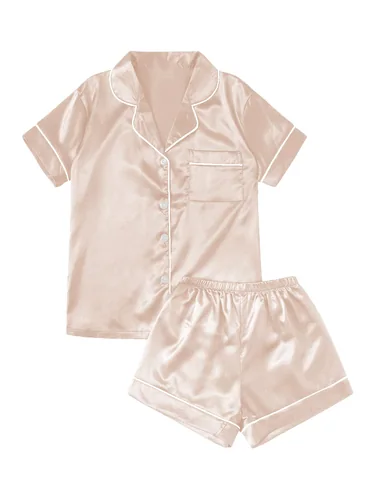
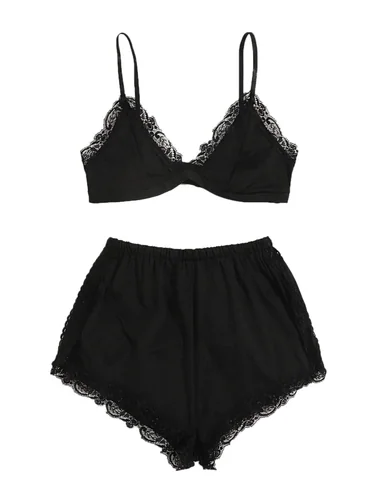
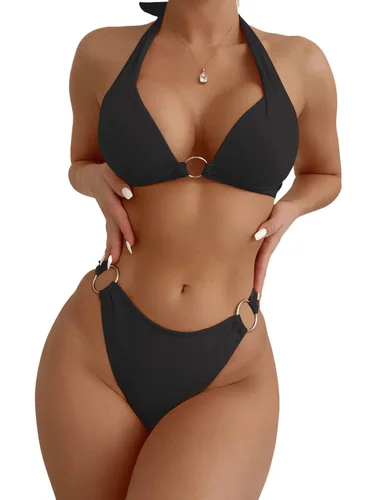
SweatyRocks Ring Linked Halter Push Up Bikini Swimwear Set
$29.99S M L
4.0 out of 5 from 488 ratings
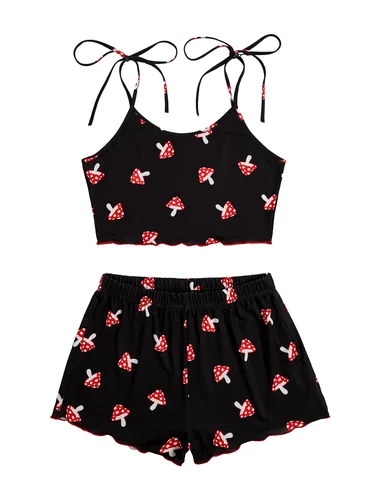
A warning has to be blunt
Where part of the obvious method would ruin the piece, the tag cannot hint. The rule prescribes the vocabulary.
The warning must use words “Do not,” “No,” “Only,” or some other clear wording.
That is why tags carry blunt little sentences such as wash separately or do not iron. They are not the maker being cautious with words. They are the maker declaring a specific failure it has seen.
There is a matching rule for what a tag may leave out. A warning is not required against a method the tag never asked you to use. Dry flat on the tag does not have to be followed by do not tumble dry, so the absence of that second line means nothing at all.
What this range names about its own fabric
We can count what the maker puts in front of you, so here it is. Of the 458 lines live here today, 118 carry a fabric or knit word in the name the maker wrote, and 27 carry a fibre word.
| Word in the name | Lines |
|---|---|
| Lace | 50 |
| Mesh | 21 |
| Knit | 14 |
| Ribbed | 12 |
| Crochet | 8 |
| Sweater | 8 |
| Velvet | 5 |
| Sequin | 4 |
| Flannel | 4 |
| Jersey | 3 |
| Chiffon | 2 |
| Corduroy | 1 |
| Fleece | 1 |
| Teddy | 1 |
| Eyelet | 1 |
That leaves 327 lines whose name says nothing about what they are made of. We do not fill that gap with a guess from a photograph. Where the maker is silent, the product page here is silent, and the tag in the parcel is the answer.
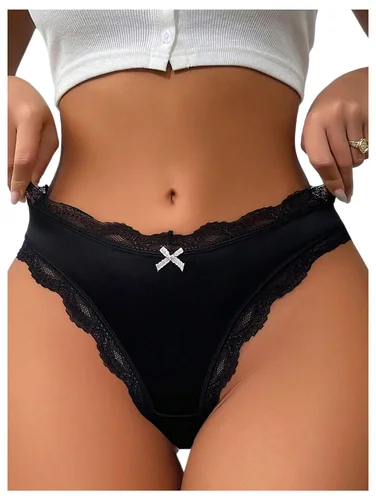
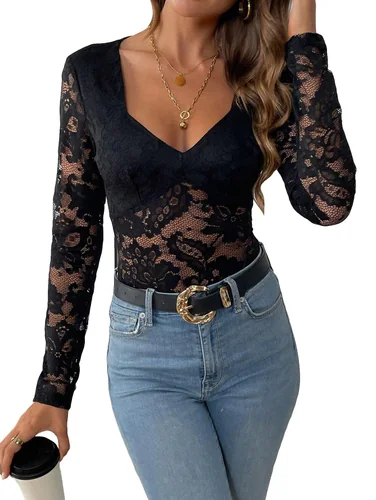
Lace is the word that dominates the table, and lace is the word that changes washing most. An open lace panel snags on zips and hooks in a machine drum, and no care tag can undo a snag. A mesh bag costs less than one of these pieces and outlives all of them.
Lace pieces, where the mesh bag earns its keep
All 29
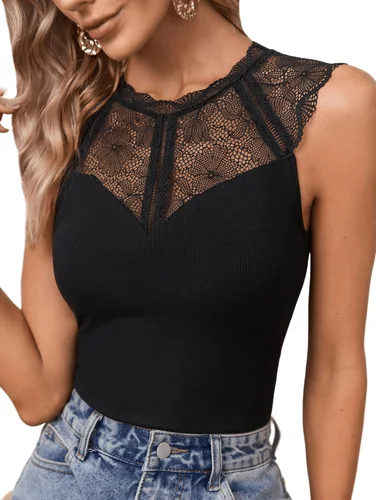
SweatyRocks Lace Corset Bodysuit Country Concert Tank Top
$25.99XS S M
4.2 out of 5 from 243 ratings
Four habits that outlast any tag
None of these come from the rule. They come from what goes wrong with light knits, lace and printed jersey, which is most of what this range is.
- Wash the first time alone. Deep colours give up dye on the first pass. A tag that says wash with like colours is telling you the maker already knows.
- Turn prints inside out. A printed graphic sits on the surface of the fabric, and the drum abrades the surface first.
- Skip the dryer on anything with stretch. Heat is what kills elastane. A garment that has gone slack at the cuffs has usually been dried, not worn out.
- Dry knits flat. Hanging a wet knit lets its own weight stretch the shoulders, and that shape does not come back.
The honest limit of this page: none of it substitutes for the tag on the piece you bought. Where the two disagree, the tag wins, because the maker tested the fabric and we did not.